Advanced Partial Discharge Sensor for MV & HV Cable Monitoring Without Shutdown

Transient Magnetic Field PDS-609H Partial Discharge (PD) Sensor

When it comes to medium-voltage (MV) and high-voltage (HV) cable networks, early detection of partial discharge (PD) can mean the difference between planned maintenance and unexpected failure.

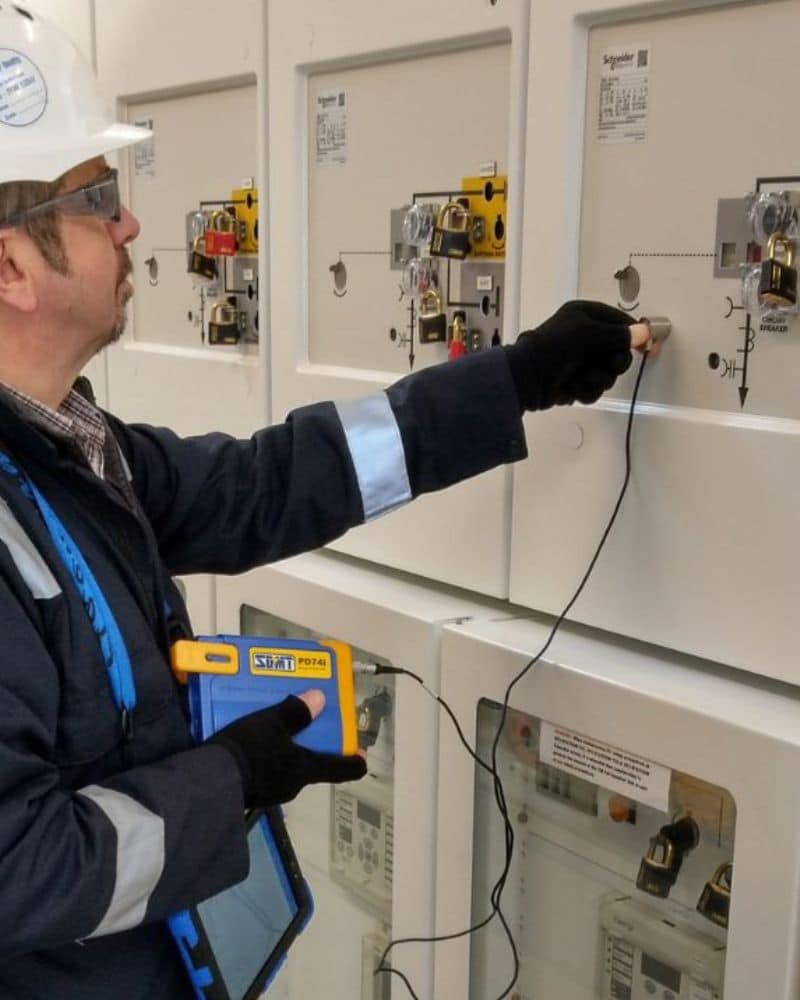
The PDS-609H Partial Discharge Sensor has been specifically developed for economical monitoring of MV and HV cable terminations, joints and bushings, providing reliable detection in even the most demanding electrical environments.

As opposed to conventional clamp-type HFCT sensors, the PDS-609H is engineered to withstand power-frequency currents of several kiloamps without magnetic saturation, while maintaining a comparable signal-to-noise ratio. Its good immunity to external electromagnetic interference (EMI) compared with TEV sensors also delivers dependable measurements in electrically noisy installations.

Designed with practicality in mind, the compact sensor can typically be retrofitted to existing equipment safely without requiring a system outage, helping operators improve asset monitoring while minimising operational disruption.

Compatible with standard HFCT-based partial discharge monitoring systems and available with BNC or TNC outputs, the PDS-609H can also be customised to suit specific mounting and installation requirements.

Looking to improve the reliability of your MV or HV assets?

Want to know more? Contact us today to discuss how our permanent partial discharge monitoring solutions and survey service options can help identify insulation defects early, reduce unplanned downtime and extend the life of your critical electrical infrastructure.

Download our PDS-609H Sensor datasheet

Future-Proofing Hyperscale Facilities with Continuous Partial Discharge Monitoring

Artificial intelligence.
Cloud computing.
High-density processing.
These technologies are driving unprecedented electrical demand.
As facilities grow larger and power densities increase, electrical infrastructure becomes more critical than ever.
Future-ready facilities require more than redundancy.
They require visibility.
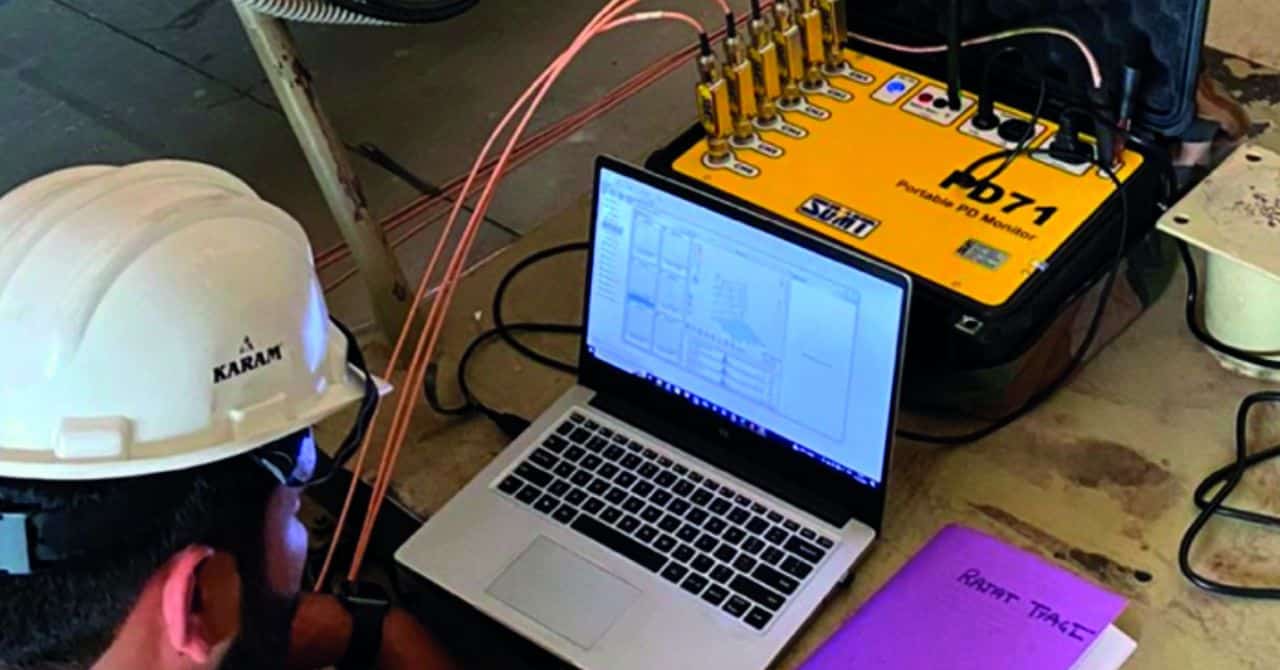
Continuous PD monitoring enables operators to understand asset health in real time.
It transforms maintenance from reactive to predictive.
It reduces risk while improving operational resilience.
The smartest facilities aren't simply monitored.
They're monitored continuously.
Future-proof your electrical infrastructure with ITL's Partial Discharge Monitoring solutions.
Arrange a consultation today.

Why Thermal Imaging Alone Cannot Protect Critical Electrical Assets

Thermal imaging remains an excellent maintenance tool.
But it has limitations.
Infrared cameras detect heat.
Partial discharge often occurs long before heat develops.
That means equipment may appear perfectly healthy while insulation is actively deteriorating.
Using both technologies together provides far greater insight.
Thermal imaging identifies overheating.
Partial discharge identifies insulation breakdown.
Combined, they deliver a comprehensive picture of equipment health.
Enhance your maintenance programme with continuous Partial Discharge Monitoring from ITL.

The Real ROI of Partial Discharge Monitoring

Many organisations view condition monitoring as an expense.
In reality, it's often one of the highest-return investments available.
Consider the cost of:
  • Emergency call-outs
  • Replacement switchgear
  • Lost productivity
  • SLA penalties
  • Reputational damage
  • Emergency shutdowns
Now compare that to identifying problems months before failure.
PD monitoring helps organisations:
  • Extend equipment life
  • Reduce replacement costs
  • Lower maintenance budgets
  • Avoid catastrophic failures
The return isn't just financial. It's operational confidence.
Protect your investments today before minor insulation defects become major capital expenditure tomorrow.

Why Predictive Maintenance Begins with Partial Discharge Monitoring

Why Predictive Maintenance Begins with Partial Discharge Monitoring

Traditional maintenance programmes have served industry well for decades.
However, today's hyperscale facilities require a more intelligent approach.
Instead of maintaining equipment according to fixed schedules, operators increasingly rely on condition-based maintenance.
Partial discharge monitoring provides one of the earliest measurable indicators of electrical insulation deterioration.
  • Unlike temperature monitoring, PD detects problems before heat develops.
  • Unlike visual inspections, PD monitoring operates continuously.
  • Unlike periodic testing, permanent monitoring never stops listening.

Business Benefits

  • Detect insulation ageing early
  • Monitor switchgear health trends
  • Extend equipment life (by making informed decisions)
  • Reduce unnecessary maintenance (with data-driven analysis)
  • Improve maintenance planning (Proactive and not Reactive)
Understand that every intervention becomes an insight into the asset condition, which means fewer surprises and better investment decisions.

Discover how ITL helps operators transition from reactive maintenance to predictive asset management.

The Hidden Electrical Threat That Could Cost Your Data Centre Millions

The Hidden Electrical Threat Inside Every Data Centre

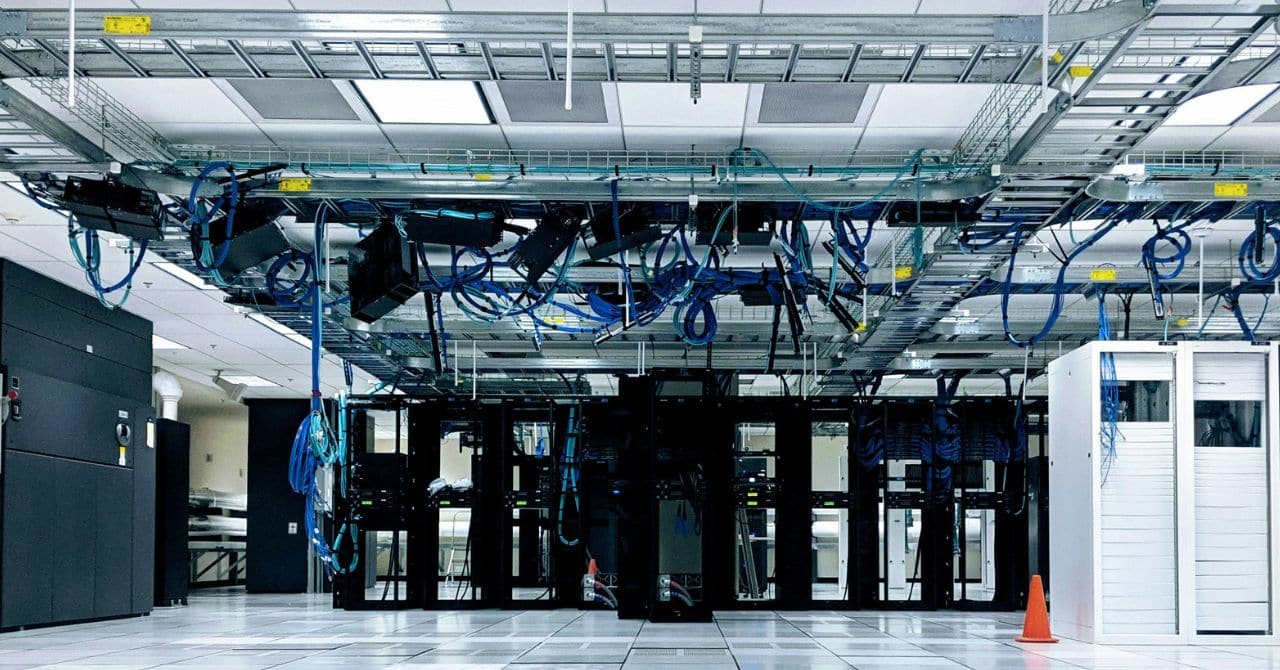
Data centres are designed around one principle: continuous uptime.
Every server, network switch and cooling system depends on reliable power infrastructure. While operators invest heavily in redundancy, UPS systems and backup generation, one of the greatest risks often remains invisible.
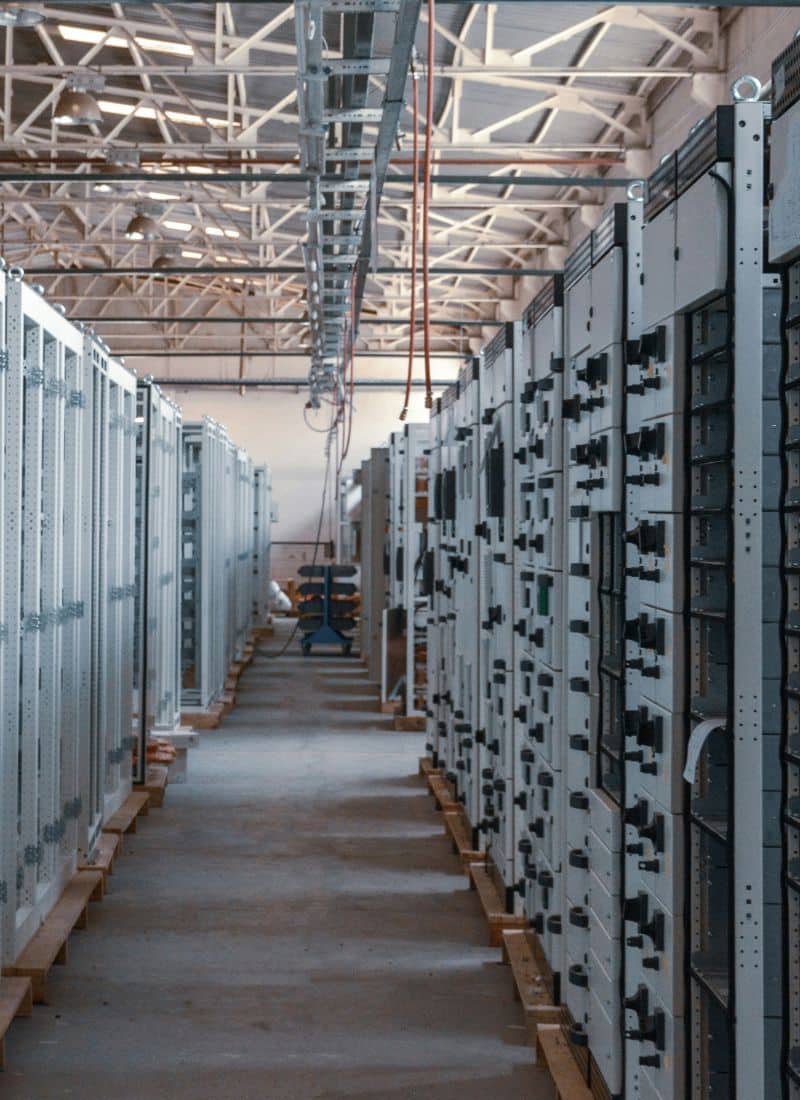
Partial discharge is a small electrical spark occurring inside insulation systems long before catastrophic failure. It develops inside switchgear, transformers, cable terminations and busbars, slowly degrading insulation until failure occurs.
The danger is that PD is often impossible to detect during normal inspections.
By the time visible signs appear, the damage may already be extensive.

Why Data Centres Are Especially Vulnerable

Modern hyperscale facilities operate with:
  • Higher electrical loads
  • Continuous operation
  • Limited maintenance opportunities
  • Increasing demand for energy efficiency
These factors place greater stress on electrical assets.
Even a minor insulation defect can evolve into an outage affecting thousands of customers.

The Cost of Waiting

Electrical failures rarely happen without warning.
Partial discharge can exist for months—or years—before failure.
Without monitoring, operators rely on:
  • Scheduled inspections
  • Infrared surveys
  • Visual examinations
  • Periodic maintenance
Although valuable, these methods only provide snapshots.
PD monitoring provides continuous visibility.

Continuous Monitoring Changes Everything

Permanent monitoring enables operators to:
  • Early detection of insulation deterioration
  • Trend asset health over time
  • Prioritise maintenance requirements
Instead of reacting after equipment fails, maintenance becomes predictive.

Why ITL?

At Instrument Transformers Limited, we provide advanced Partial Discharge Monitoring solutions specifically suited to critical power infrastructure.
Our systems help identify defects before they become failures, protecting uptime and cutting operational risk.
If your facility cannot afford unexpected electrical failures, now is the time to understand what your assets are telling you.
Contact us today to discuss a tailored Partial Discharge Monitoring assessment for your data centre.

Challenges Faced by High-Voltage Power Cables in Smelters and Desalination Plants

High-voltage power cables used in smelters and desalination plants are critical components in industrial settings. These facilities demand massive amounts of electrical energy to sustain their operations. While high-voltage power cables are designed to handle high currents and efficiently transmit electricity over long distances, they encounter several unique challenges when deployed in harsh environments like aluminium smelters and desalination plants. This article will explore the key problems these cables face in such industries and how our optical sensing technology can help address them.

Extreme Temperatures:
One of the primary challenges of using high-voltage power cables in aluminium smelters and desalination plants is the extreme temperatures in these environments. Aluminium smelters operate at incredibly high temperatures to extract aluminium from raw materials, while desalination plants use high temperatures to convert seawater into freshwater. These conditions subject the power cables to thermal stress, leading to cable degradation, insulation breakdown, and potential failures. Manufacturers address this issue using specialised high-temperature-resistant materials and employing advanced cooling techniques to maintain cable integrity.

Corrosive Atmosphere:
Both aluminium smelters and desalination plants have corrosive atmospheres due to the presence of aggressive chemicals, salts, and moisture. The corrosive elements can attack the cable's insulation and conductors, leading to a shortened lifespan and reduced performance. To combat this problem, power cable manufacturers have developed cables with robust protective sheaths and coatings that offer increased resistance to corrosion.

Mechanical Stress:
The industrial processes in these plants often involve heavy machinery and equipment that can exert mechanical stress on high-voltage power cables. Frequent movement, vibrations, and accidental impacts may lead to mechanical damage, compromising the cable's structural integrity. In mitigating this issue, lines with enhanced mechanical strength and flexibility are employed to minimise stress during installation and operation.

Electrical Interference:
Aluminium smelters and desalination plants have numerous electrical devices and equipment, creating a complex electromagnetic environment. The presence of strong magnetic fields and electrical interference can adversely affect the performance of high-voltage power cables, leading to signal distortion and potential data transmission errors. Shielding and grounding measures are employed to minimise the impact of electromagnetic interference on the cables.

Power Loss and Efficiency:
High-voltage power transmission over long distances incurs some power loss due to cable resistance. This issue becomes more pronounced in energy-intensive industries like aluminium smelters and desalination plants. Increasing the voltage to compensate for power loss is a standard solution, but it requires careful consideration of insulation capabilities and safety measures. Moreover, improving cable efficiency includes using high-conductivity materials and innovative insulation technologies.

The case for more comprehensive cable monitoring has never been clearer. While many solutions are first fit, the power sector has steadily increased its investment in optical sensing technology over the past two decades. Migrating this passive optical technology into the industrial space should be considered by smelter and desalination operators to provide better insights into MV/HV cable condition.

Within the power cable, there is embedded fibre; our sensing solution monitors the area where up to 69% of failures occur, the termination or junction points. Using the fibre as a medium and connected to our interrogator unit, we provide insights that allow earlier opportunities for maintenance intervention protecting the power generation asset and operational integrity of the plant activity.

Our breakthrough passive electrical sensor technology makes this viable by avoiding the need for power supplies, active electronics, and data networks, including cellular networks, local servers and time sources at measurement points. Thus giving a centralised and permanent measurement of voltage, phase current and sheath current. Temperature is easily achieved and correlated to early detection of water damage, sheath damage, screen damage, transients and oscillations. - all of which initiate joint or screen degradation, overheating, Partial Discharge and eventually catastrophic failure.

Understanding the GE-McKinsey Matrix and Boston Matrix in the Manufacturing Industry.

In the fast-paced and competitive manufacturing world, strategic planning and portfolio management are crucial in determining a company's success. The GE-McKinsey Matrix and the Boston Matrix are two popular tools that assist manufacturing businesses in making informed decisions about their product portfolios and resource allocation. Both matrices provide valuable insights, but they also come with their own set of benefits and pitfalls. Let's explore each matrix and its relevance to the manufacturing industry.

The Boston Matrix:

The Boston Matrix, also known as the Product Portfolio Matrix, was developed by the Boston Consulting Group (BCG) and has been used widely since the 1970s. It categorises a company's products or product lines into four quadrants:

a. Stars: These are products with high growth prospects and market share. They require significant investment to maintain their growth rate and dominance in the market.

b. Cash Cows: Cash cows have a high market share in a slow-growth market. They generate substantial cash flow, which can be reinvested in other products or used to support stars.

c. Question Marks (Problem Children): These products have high growth potential but a low market share. They require careful consideration and investment to determine whether they can become stars or should be divested from.

d. Dogs: Dogs have a low market share in a slow-growth market. They typically generate enough revenue to cover costs, and divestment is the best option unless they can be turned around.

Benefits in Manufacturing Industry:

Simplified Portfolio Analysis: The Boston Matrix simplifies complex product portfolios, making it easier for manufacturers to visualise and prioritise their products.

Resource Allocation: It helps manufacturers allocate resources effectively by highlighting products needing investment and those needing phasing out.

Strategic Decision-Making: The matrix aids in developing strategic plans for each product category based on its position, fostering better decision-making.

Pitfalls in Manufacturing Industry:

Overemphasis on Market Share: Relying solely on market share as a metric can be misleading, as it may need to represent a product's profitability or potential accurately.

Neglecting Niche Markets: The matrix might overlook smaller, niche markets that can be highly profitable in the long run.

Lack of Dynamic Analysis: The Boston Matrix provides a snapshot in time but doesn't consider changing market conditions and consumer preferences over time.

The GE-McKinsey Matrix:

The GE-McKinsey Matrix, developed by General Electric and McKinsey & Company, is a more comprehensive tool that evaluates business units or products based on two key dimensions: industry attractiveness and competitive strength. It involves nine cells in a 3x3 matrix.

Benefits in Manufacturing Industry:

Market and Competitive Analysis: The GE-McKinsey Matrix incorporates a broader range of factors, considering industry attractiveness and competitive strength, leading to a more thorough analysis.

Customisation: Manufacturers can customise the evaluation criteria to better fit their specific industry and business needs.

Future Orientation: By assessing internal and external factors, the matrix encourages a forward-looking approach, helping manufacturers prepare for future market changes.

Pitfalls in Manufacturing Industry:

Data Requirements: Implementing the GE-McKinsey Matrix necessitates gathering extensive data, which might be challenging and time-consuming for some manufacturers.

Subjective Evaluation: Scoring industry attractiveness and competitive strength involve some subjectivity, leading to potential biases in the analysis.

Complexity: The matrix's complexity may make it less accessible for smaller manufacturing companies with limited resources and expertise.

The GE-McKinsey Matrix and the Boston Matrix offer valuable insights for strategic decision-making in the manufacturing industry. While the Boston Matrix is simpler and easier to implement, the GE-McKinsey Matrix provides a more comprehensive evaluation. Manufacturers should consider their specific needs, available data, and resources before choosing the most appropriate tool. Ultimately, the effective use of these matrices can empower manufacturers to optimise their product portfolios, allocate resources wisely, and maintain a competitive edge in the dynamic manufacturing landscape.